
First Cementless Total Knee Arthroplasty Successfully Performed at Amcare Hospital in 2026
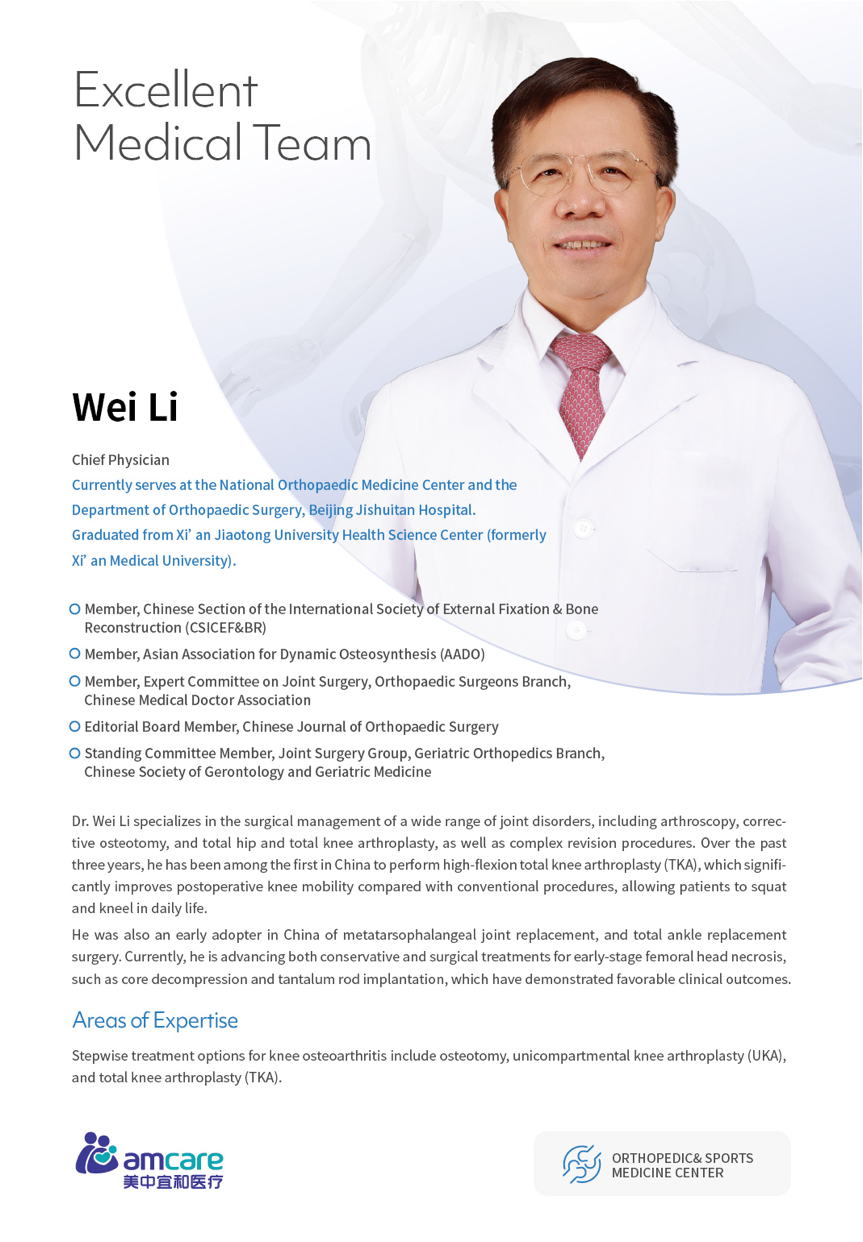
Recently, Director Li Wei from the Department of Orthopedic Surgery at Beijing Jishuitan Hospital, leading the orthopedics team at our hospital, successfully performed a cementless total knee arthroplasty for a 68-year-old patient with severe knee osteoarthritis — drawing on exceptional medical expertise. The successful completion of this procedure introduces more patients with knee osteoarthritis to this "cutting-edge, superior" prosthetic option.
Patient L, 68 years old, was diagnosed with severe knee osteoarthritis. The medial compartment of his knee joint was completely narrowed with subluxation, and he had long suffered from joint pain and limited mobility, severely impacting his quality of daily life. After learning about different types of prostheses, the patient's daughter wanted to choose a more "advanced" prosthetic material for her father — the cementless artificial knee (referred to as "biological knee").
Before Surgery
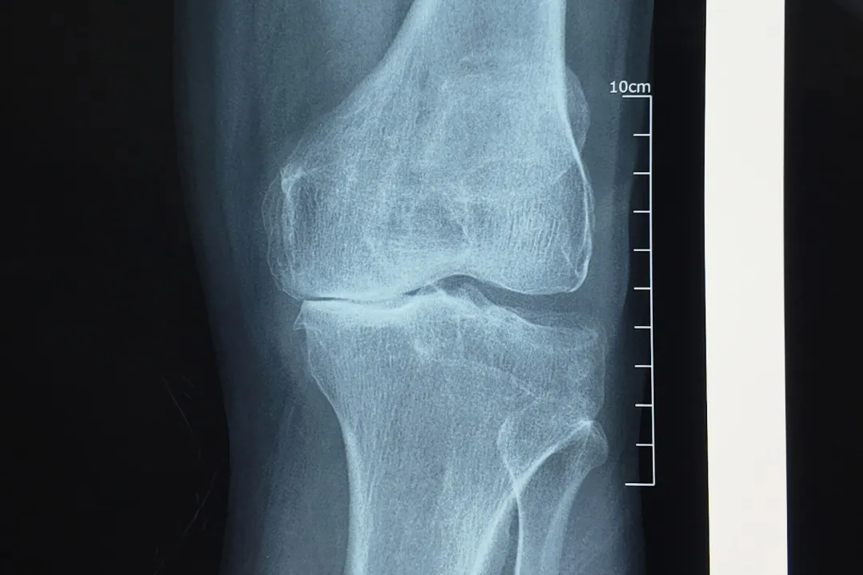
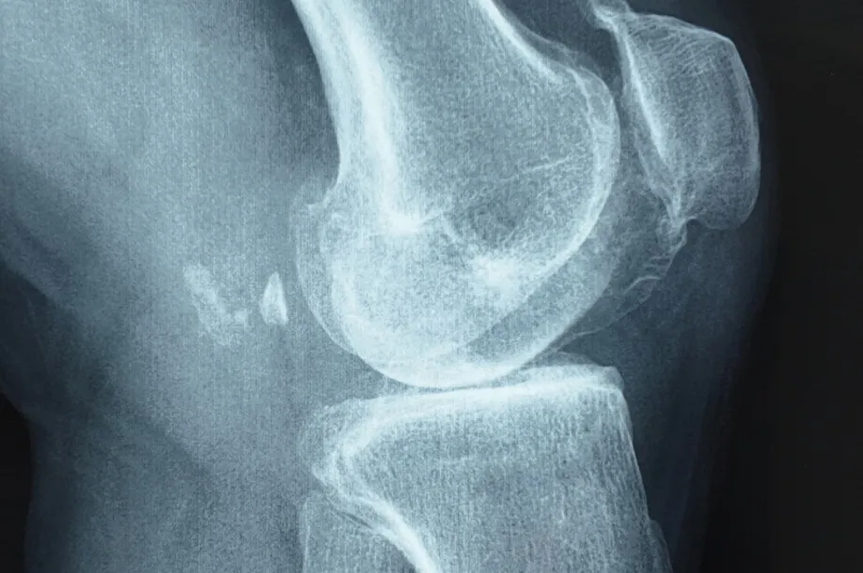
Under the full guidance and leadership of Director Li Wei, the orthopedics expert team at Amcare Hospital conducted a comprehensive evaluation. Considering the patient's age (68), good bone quality, and relatively high activity level, the team decided to perform the replacement using the internationally advanced ATTUNE Cementless Knee System.
After Surgery
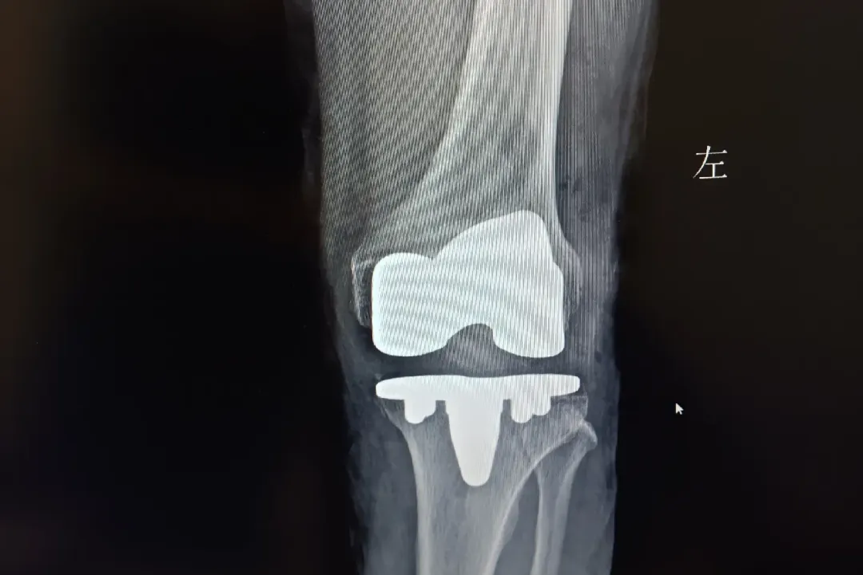
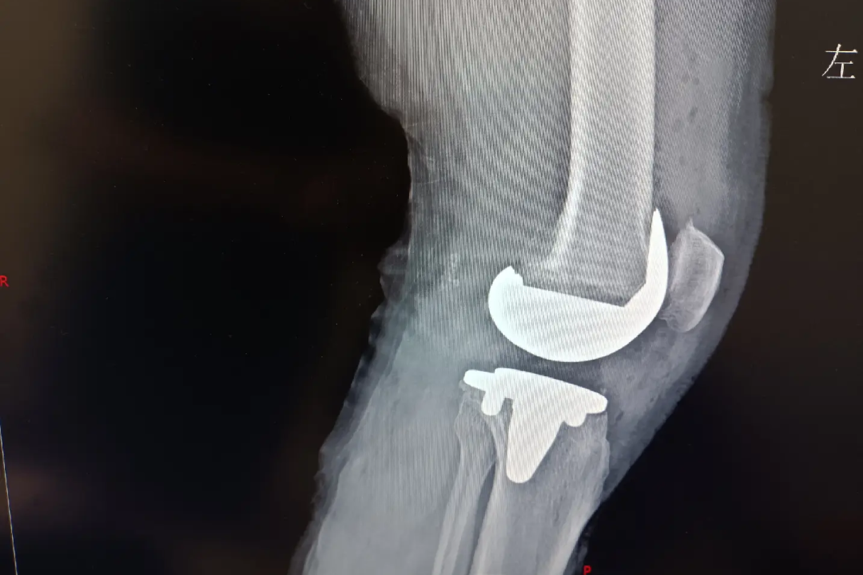
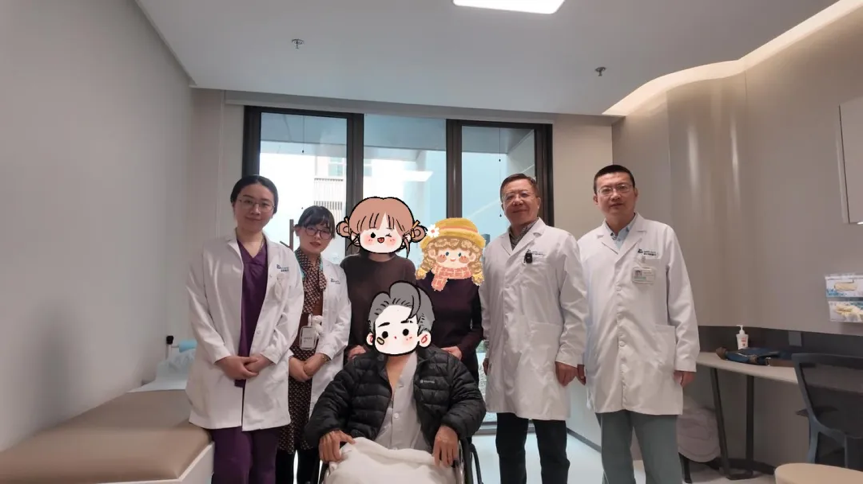
One week postoperatively, the patient returned to the orthopedics outpatient clinic for follow-up. His knee flexion-extension function had recovered well, with stability maintained in both full extension and flexion — achieving the expected therapeutic outcomes. The patient even "demonstrated" walking without a walker for Director Li Wei. His family shared with pleasant surprise: "My father got out of bed on his own the day after surgery and went to the bathroom to wash up by himself. These past two days he keeps wanting to get up and walk — I've had to hold him back and not let him walk too much."
Addressing the family's concerns, Director Li provided detailed explanations about postoperative care: "Actually, with a cementless knee, patients should walk more — it promotes bone ingrowth and makes the prosthesis more stable."
Compared to Conventional Cemented Prostheses, the Cementless Knee Offers Clear Advantages
Unlike traditional prostheses fixed with bone cement, the cementless artificial joint prosthesis used in this surgery offers many advantages:
Biological Fixation with Stable Long-Term Outcomes
Cementless prostheses require no bone cement adhesion. Instead, they rely on the POROCOAT porous coating on the implant surface to induce the patient's own bone tissue to grow into the pores, achieving biological integration between the prosthesis and bone. This creates long-term stable fixation, significantly extending prosthesis lifespan and clinical efficacy — providing patients with more durable joint function.
Avoids Bone Cement-Related Complications for Greater Safety
With long-term use, bone cement is prone to fatigue and wear. The resulting debris can trigger inflammatory reactions and osteolysis, leading to prosthesis loosening — the primary long-term concern with cemented prostheses. Cementless prostheses eliminate bone cement entirely, preventing such complications at the source, reducing postoperative risks, and giving patients greater peace of mind during recovery.
Broader Patient Suitability with Lower Revision Rates
Compared to cemented prostheses, cementless prostheses are better suited for patients with higher activity levels and greater body weight. For these populations, cemented prostheses carry relatively higher revision rates, while cementless prostheses significantly enhance joint stability and effectively reduce revision risk — sparing patients the pain and burden of secondary surgery.
Preserves More Bone Stock, Leaving Room for Future Revision
Even if prosthesis revision becomes necessary in the future due to special circumstances, cementless prostheses preserve more of the patient's native bone, creating more favorable conditions for subsequent revision surgery.
Superior Design with Better Adaptability
The ATTUNE cementless prosthesis used in this case features a personalized rotating platform design. The tibial insert offers antioxidant properties, enhanced wear resistance, and superior mechanical performance — further extending prosthesis lifespan. Additionally, the prosthesis's integrated high-wall design further improves implant stability.
Product reference source: ATTUNE Cementless Knee System product information
Who Is Best Suited for Cementless Total Knee Arthroplasty?
Based on clinical practice and experience, the following patient groups are particularly well-suited for this surgical approach:
1. Relatively younger patients (approximately 70 years and below) with good bone quality and no severe osteoporosis. These patients tend to have higher activity levels and greater demands for long-term prosthesis stability and durability.
2. Patients with high daily activity levels and higher body weight. The stability and wear resistance of cementless prostheses better meet their physical needs, reducing the risk of prosthesis loosening and revision.
3. Patients seeking to avoid bone cement-related complications, pursuing safer and longer-lasting joint function.
Moving forward, our hospital will continue to deepen collaborations with leading domestic orthopedic experts. Leveraging their clinical expertise, we will advance the field of joint disease diagnosis and treatment, continuously introducing and promoting internationally advanced technologies and new prosthetic designs, optimizing surgical approaches, and enhancing the quality of medical services. We are committed to providing personalized, more precise diagnosis and treatment for more patients suffering from knee joint diseases — helping them overcome pain, regain flexible joints, and return to a high quality of life!
Professional Reviewing Physician
Scope of Services
Foot and Ankle Disorders | Lower Limb Deformity Correction | Knee and Hip Disorders Spinal Disorders | Upper Limb Disorders | Sports Medicine Neck and Lower Back Pain | Fracture Treatment | Rehabilitation Center
Disclaimer
The information on this page is for reference only. It does not constitute advertising or intent regarding the use of any medications, medical techniques, surgical equipment, or diagnostic methods, and cannot replace consultation with a physician or other qualified medical professional. The information contained herein shall not be used to address medical or health-related problems or to diagnose diseases.



(Beijing) Medical Advertising [2026] No. 05-10-1229 Beijing ICP Registration No. 09100222-1 Legal Notice and Privacy Policy
Amcare Healthcare Group


